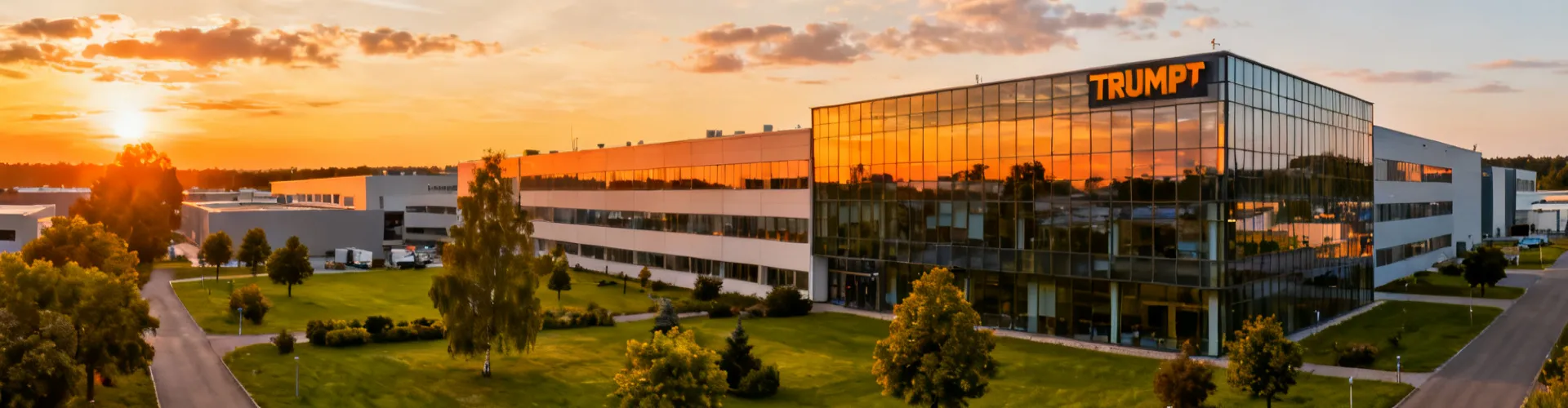
Explore the research breakthroughs, engineering milestones, and technology platforms that keep TRUMPF at the frontier of industrial laser systems.
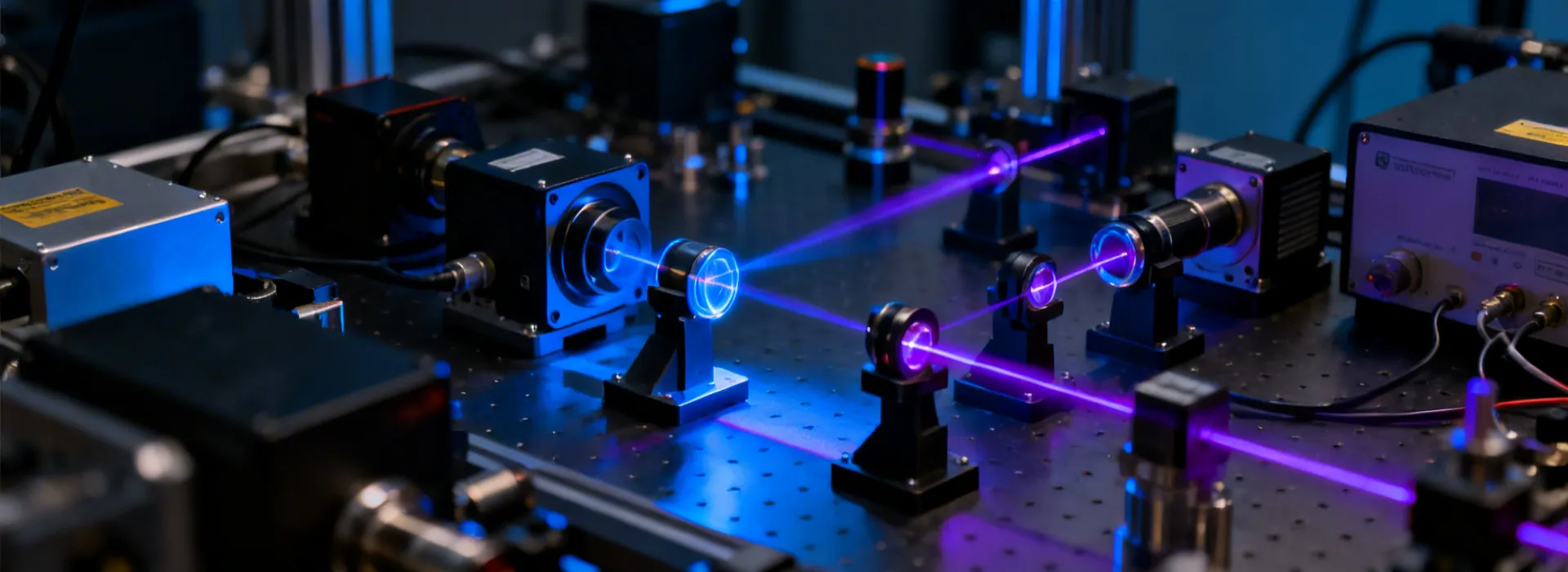
Christian Trumpf founds a mechanical workshop in Stuttgart, Germany. The company's early focus on precision flexible shafts for dental and medical instruments establishes the engineering culture that would later define its approach to laser technology.
TRUMPF delivers its first industrial CO2 laser cutting system to a European automotive tier-1 supplier, marking the company's entry into laser-based manufacturing. This system processes 2mm mild steel at speeds previously achievable only with mechanical punching.
The TruLaser series launches with automated sheet loading, unloading, and part sorting, establishing a new benchmark for lights-out manufacturing. Customers report running unmanned production shifts for the first time.
TRUMPF introduces the proprietary TruDisk laser platform, achieving 16kW continuous wave output from a single disk laser resonator. This in-house beam source eliminates dependence on third-party laser suppliers and enables tighter integration between source and cutting head.
The first AI-driven adaptive cutting parameter system deploys across the TruLaser 5000 series. Machine learning algorithms analyze real-time sensor data from the cutting process to automatically adjust power, speed, and gas pressure, reducing operator intervention and scrap rates.
TRUMPF reaches 85,000+ laser systems installed across 78 countries, serving automotive, aerospace, electronics, medical device, and energy industries. The global service network grows to 340+ field engineers operating from 32 regional hubs.
With 2,200+ R&D engineers and 14 development centers, TRUMPF invests over 10% of revenue in research. Here are the platforms shaping the next decade of manufacturing.
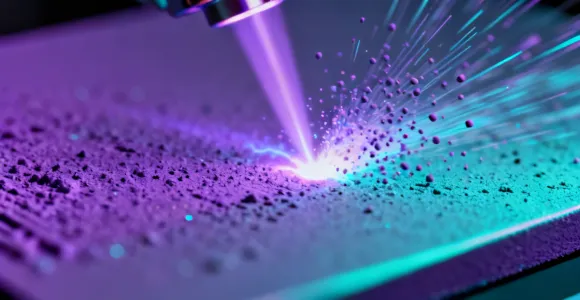
TRUMPF femtosecond lasers deliver pulses shorter than 400 femtoseconds, enabling "cold ablation" where material is removed without thermal damage to surrounding areas. Applications include micro-structuring of medical implant surfaces, smartphone display glass cutting, and semiconductor via drilling at sub-micron accuracy. Our TruMicro series currently achieves average powers exceeding 100W in the femtosecond regime, a capability that was considered laboratory-only a decade ago.
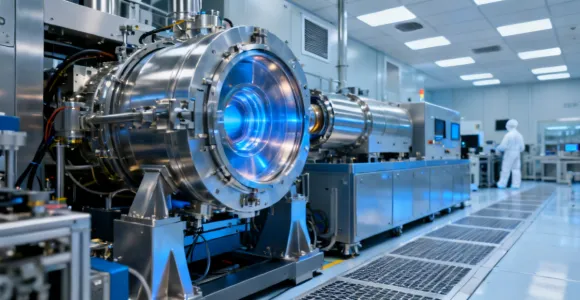
TRUMPF develops the high-power CO2 laser driver for extreme ultraviolet (EUV) lithography systems used by leading semiconductor manufacturers. Each EUV source requires a CO2 laser delivering 40kW of continuous power with sub-percent stability to generate 13.5nm wavelength light by vaporizing tin droplets at 50,000 per second. This technology enables chip feature sizes below 5nm and is critical to advancing Moore's Law beyond current physical limits.
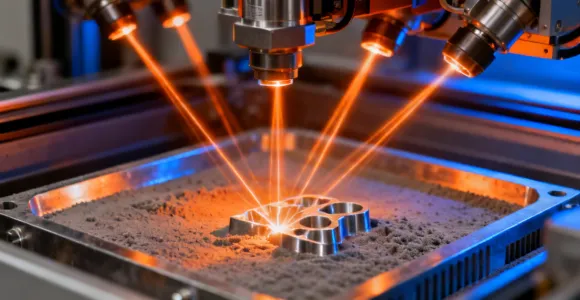
Our next-generation Laser Metal Fusion systems operate with up to 4 independently controlled 500W fiber lasers scanning simultaneously, increasing build rates by up to 4x compared to single-laser systems. We are currently developing green laser (515nm) powder bed fusion for processing highly reflective copper alloys critical to electric vehicle motor components, where traditional 1070nm infrared lasers achieve less than 30% absorption.
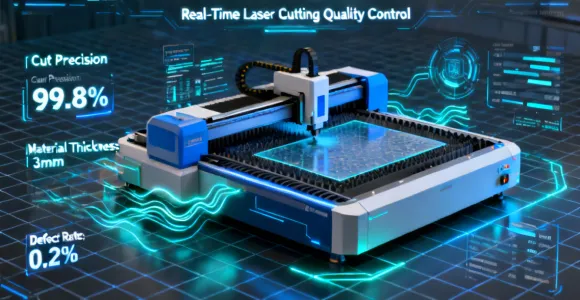
TRUMPF integrates machine learning directly into laser process control. Our Active Speed Control system uses photodiode sensors to monitor the cutting kerf in real-time, automatically adjusting feed rate when material conditions change mid-cut. In weld monitoring, our systems analyze over 20 process parameters per millisecond to detect defects as they form, enabling closed-loop quality control that reduces inspection costs and eliminates the need for destructive testing on production parts.
Unlike competitors who assemble third-party components, TRUMPF designs and manufactures critical subsystems in-house, ensuring tight integration and consistent performance.
Proprietary laser sources from 1kW to 24kW. Disk and fiber architectures optimized for different applications, manufactured in Schramberg, Germany.
In-house designed cutting heads with BrightLine fiber beam shaping, automated nozzle changing, and collision protection. Focal lengths from 4" to 10".
Purpose-built CNC control platform with touchscreen HMI, integrated CAD/CAM nesting, and real-time process monitoring dashboards.
Photodiode arrays, OCT sensors, and thermal cameras integrated into cutting and welding heads for real-time process monitoring and adaptive control.